

Learn how to optimize paid search ads for generative AI search in 2025. Boost visibility with relevance, automation, and conversational targeting
Generative AI search, such as Google’s AI Overview, Microsoft Copilot’s AI answers, and other AI-powered search tools, has rapidly transformed how people find information in 2025. Instead of simply serving a list of blue links, AI search delivers conversational, context-rich summaries that integrate organic results and sponsored placements in one cohesive experience.
For advertisers, this shift brings both opportunities and challenges. Your paid search ads must now be highly relevant, conversationally aligned, and technically optimized to secure visibility in AI-generated results. Here are the top best practices to make it happen.
1. Align Your Ads with Conversational Search Intent
Generative AI often mirrors human conversation, so keyword targeting should extend beyond short phrases. Incorporate natural, long-tail queries in your ad copy—such as “What’s the best media buying agency for startups?”— to match the style of AI-generated prompts.
2. Optimize Landing Pages for AI Understanding
AI models decide whether your ad is relevant by analyzing your landing page content. Use clear headings, structured data, and semantic HTML so AI can easily extract key points. Include direct answers to potential queries, and ensure fast load times and mobile-friendly design.
3. Use Responsive Search Ads with Rich, Varied Inputs
The flexibility of Responsive Search Ads (RSAs) allows AI-driven platforms to dynamically serve the most relevant combinations of headlines and descriptions. Provide multiple benefit-driven variations, ensuring your value proposition is clear across different user intents.
4. Feed Campaigns with First-Party Data
With third-party cookies disappearing, first-party data is becoming critical for targeting. Use your CRM, email lists, and website engagement data to create privacy-safe audience segments. AI systems prioritize ads with higher relevance scores, and audience match data boosts that score.
5. Combine Automation with Strategic Guardrails
Generative AI placements often appear in contexts tied to Smart Bidding strategies like Target ROAS or Maximize Conversions. While automation is essential, set precise conversion goals and clear budget limits to avoid overspending in low-intent scenarios.
6. Maintain High Ad Relevance and CTR Performance
Even in AI-driven results, click-through rate (CTR) matters. Ads with proven engagement history are more likely to be chosen for prominent AI placements. Run A/B tests on CTAs, benefits, and tone to keep performance high.
7. Monitor Emerging AI Search Platforms
While Google and Microsoft dominate, platforms like Perplexity, Neeva AI, and ChatGPT’s Search Mode are expanding ad opportunities. Being an early adopter can secure a competitive advantage before these ecosystems become crowded.
The Bottom Line:
Generative AI search is changing the paid search game. It rewards contextual relevance, conversational targeting, strong landing page experiences, and data-driven automation. By embracing these best practices, you can ensure your PPC campaigns don’t just survive, but thrive, in the AI-driven search era of 2025.
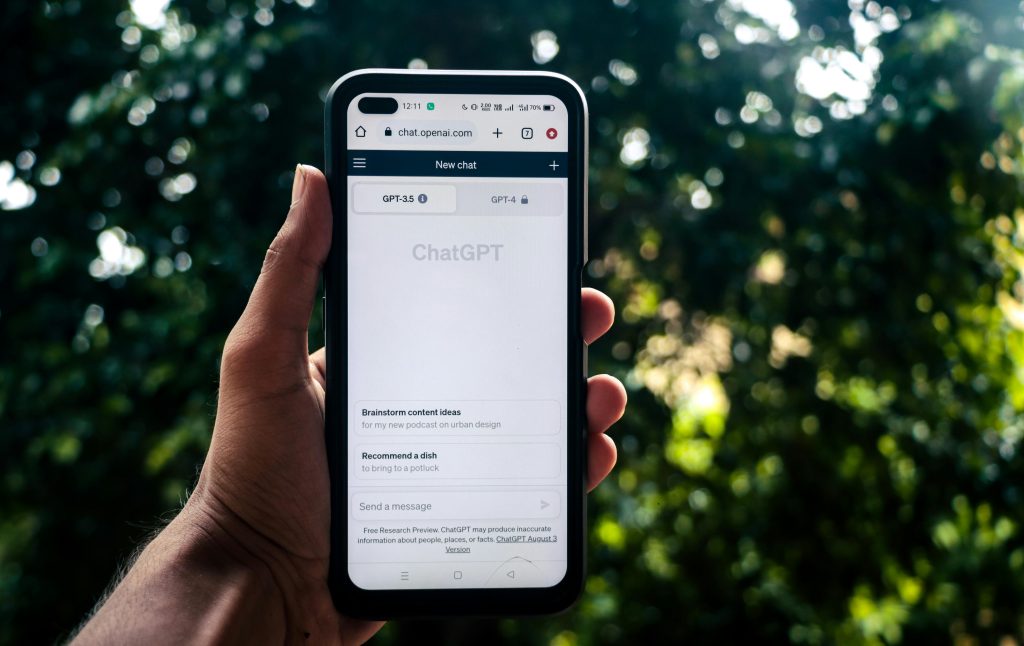
Photo by Sanket Mishra: https://www.pexels.com/photo/webpage-of-chatgpt-a-prototype-ai-chatbot-is-seen-on-the-website-of-openai-on-a-smartphone-examples-capabilities-and-limitations-are-shown-17887854/